Inverter vs. Non-Inverter: Energy Efficiency & Cost Considerations
Choosing between an inverter and non-inverter air conditioner is one of the most important decisions you’ll make when planning your installation. While both systems can cool a room effectively, they differ significantly in energy efficiency, long-term cost, and overall comfort.
Inverter Air Conditioners
Description:
Inverter air conditioners use advanced technology that allows the compressor to adjust its speed continuously. Instead of turning on and off repeatedly, it fine-tunes its operation to maintain the exact temperature you set.
Pros:
- Up to 30%–50% energy savings, especially with daily or extended use
- Quieter operation due to smoother, controlled compressor speed
- More consistent and comfortable temperature without sudden fluctuations
- Longer lifespan because the compressor experiences less stress
Cons:
- Higher upfront cost compared to non-inverter models
Expert Tip:
If you use your AC regularly—whether at home or in a commercial setting—an inverter unit is almost always worth the investment. The energy savings can quickly offset the upfront cost, and you’ll enjoy better comfort and lower electricity bills over the long term.
Non-Inverter Air Conditioners
Description:
A non-inverter air conditioner operates with a fixed-speed compressor. It turns on at full power to cool the room, then switches off once the temperature is reached—repeating this cycle throughout the day.
Pros:
- Lower upfront purchase and installation cost
Cons:
- Consumes more electricity due to constant on/off cycling
- Noticeable temperature swings
- Louder operation when the compressor restarts
- Generally shorter lifespan due to repetitive stress on the system
Matching BTU/HP to Room Size: Ensuring Optimal Performance
Choosing the correct air conditioner capacity is just as important as choosing the right model. Whether you’re installing a unit in a bedroom, office, or commercial space, proper BTU/HP sizing ensures your system cools efficiently, saves energy, and delivers long-term comfort.
Understanding BTU (British Thermal Unit) & HP (Horsepower)
BTU and HP are measurements that indicate the cooling capacity of an air conditioner.
- BTU reflects how much heat the AC can remove from a room per hour.
- HP is commonly used in Malaysia and corresponds to the AC’s power rating.
In simple terms: higher BTU/HP = higher cooling power.
Why Correct Sizing Matters
Undersized Units
An air conditioner that’s too small for the room will:
- Work continuously to reach the desired temperature
- Consume more electricity than necessary
- Wear out faster due to constant stress
- Still fail to cool the space effectively
Expert Tip: An undersized AC not only wastes energy but also shortens the system’s lifespan dramatically.
Oversized Units
A unit that’s too powerful for the room may cool quickly, but it will:
- Turn on and off frequently (short-cycling)
- Struggle to remove humidity properly
- Create uneven temperature zones
- Waste energy and reduce overall comfort
Expert Tip: Oversized ACs can cause clammy, humid conditions even when the temperature feels cool.
General Sizing Guide
To choose the right capacity, refer to an “Appropriate BTU/HP Sizing Guide” that matches cooling capacity to room dimensions. This ensures accurate selection based on your space’s specific needs.
Key Factors to Consider
When determining the correct BTU/HP, take into account:
- Room size (square feet or square meters)
- Ceiling height
- Sunlight exposure (e.g., west-facing rooms require higher capacity)
- Number of occupants
- Heat-generating appliances (computers, ovens, etc.)
The goal is to choose a system that cools efficiently without overworking or short-cycling.
Popular & Reliable AC Brands in Malaysia
Choosing a reputable air conditioner brand is just as important as selecting the right capacity or installation team. A trusted brand ensures better performance, long-term reliability, and easier access to after-sales support—giving you peace of mind long after installation.
Top Aircon Brands Trusted in Malaysia
When shopping for an AC unit, consider well-established brands known for consistent quality, energy efficiency, and strong service networks. Some of the most reliable and widely used brands include:
- Daikin – Highly regarded for energy efficiency, durability, and quiet operation
- Panasonic – Popular for inverter technology, air purification features, and reliability
- Mitsubishi Electric – Known for premium performance, long lifespan, and low maintenance needs
- Midea – Budget-friendly option with good performance and modern features
- York – Trusted for both residential and commercial cooling, cost-effective solutions
These brands are commonly available across Malaysia, making repairs, maintenance, and spare parts easily accessible when needed.
Lorem ipsum dolor sit amet, consectetur adipiscing elit. Ut elit tellus, luctus nec ullamcorper mattis, pulvinar dapibus leo.
What to Consider When Choosing a Brand
Before making a final decision, keep these key factors in mind:
- Brand Reputation: Prioritise brands with a track record of reliability and customer satisfaction.
- Warranty Coverage: Look for comprehensive warranties on both parts and compressor.
- Service Network: Ensure the brand has authorised service centres in KL and Selangor for quick support.
- Availability of Spare Parts: Readily available parts reduce downtime and repair costs.
- Energy Efficiency: Choose models with inverter technology or high energy ratings for long-term savings.
A well-chosen brand not only delivers better cooling but also ensures lower maintenance costs and a smoother ownership experience.
What Makes “Cheap” Aircon Installation Risky (and How to Avoid It)
Everyone wants to save money—but when it comes to aircon installation, choosing the lowest-priced service can lead to long-term expenses, safety issues, and ongoing frustration. Understanding these risks helps you make a confident, informed decision that truly protects your home, comfort, and wallet.
The True Cost of Poor Workmanship
Many homeowners and business owners worry about hiring inexperienced or unqualified installers—and for good reason. Air conditioning installation is a technical job that requires precise measurements, correct placement, proper piping, and safe electrical work. When done poorly, the consequences often show up months later in the form of higher bills, water leaks, and breakdowns.
Common Substandard Installation Practices
Here are some of the most frequent mistakes made by “cheap” or inexperienced installers:
- Improper pipe bending – Creates kinks that restrict refrigerant flow, reducing cooling efficiency.
- Incorrect indoor/outdoor unit placement – Leads to poor airflow, noisy operation, and increased energy usage.
- Loose or unsafe electrical connections – A serious safety hazard that can cause system failure or electrical damage.
These shortcuts may not be obvious on installation day, but they show up over time—costing far more than you initially saved.
Real Consequences of a Low-Quality Installation
Poor installation can result in:
- Reduced cooling performance
- Higher monthly electricity bills
- Refrigerant leaks and frequent breakdowns
- Premature compressor failure (one of the costliest repairs)
- Water leakage, wall damage, or mold growth
- Increased long-term repair and maintenance costs
In short: “cheap now” often becomes “expensive later.”
Expert Tips to Ensure a Reliable, Long-Lasting Installation
Following these expert recommendations helps you avoid hidden problems and ensures your investment performs at its best:
Prioritize Copper Piping Over Aluminum
Copper piping is far more durable, resistant to corrosion, and less prone to refrigerant leaks.
Why it matters: Aluminum pipes can degrade faster, leading to gas leaks, performance drops, and expensive repairs.
Ensure Proper Vacuuming of the System
Vacuuming removes moisture and non-condensable gases before refrigerant charging.
Why it matters: Skipping this step can cause compressor damage, reduced cooling efficiency, and long-term system failure.
Check for Correct Drainage Slope
The drainage line must slope downward to allow water to flow out smoothly.
Why it matters: Incorrect drainage causes water leaks, mold growth, wall damage, and unpleasant indoor humidity.
Hidden Charges & Lack of Transparency
One of the biggest concerns homeowners and business owners face when choosing an aircon installation service is the fear of hidden costs. Many “cheap” installation offers appear attractive at first glance, but once work begins, customers often discover unexpected fees that were never mentioned upfront.
Understanding these common tricks can help you avoid unpleasant surprises and choose a service provider that truly values honesty.
Common Hidden-Cost Tactics to Watch Out For
1. Low Base Price — High Essential Add-Ons
Some installers advertise an extremely low installation fee, only to add extra charges later for items that should be standard, such as:
- Additional piping length
- Copper wiring
- Wall brackets
- Drain pipes
- Insulation materials
These costs can escalate quickly, turning a “cheap” installation into an unexpectedly expensive one.
2. Charging for Old Unit Disposal
Disposing of old aircon units is sometimes added as a surprise fee. Customers are rarely informed beforehand, leading to frustration and mistrust.
3. Unclear Breakdown of Labor vs. Material Costs
Without transparent pricing, it’s difficult to know whether you’re paying a fair rate. Some installers intentionally keep costs vague so they can add charges during or after the installation.
Our Commitment: Transparent, Tiered Pricing Packages
We believe homeowners deserve complete clarity before any work begins. That’s why our pricing model is built on transparency and trust.
What You Can Expect from Us:
- Detailed quotes with clear explanations of what’s included and what’s not
- No hidden fees—ever
- Transparent breakdown of labor, materials, and optional upgrades
- Tiered packages so you can choose the level of service that fits your needs and budget
- Honest recommendations, not upselling
This approach ensures you always know exactly what you’re paying for and helps you make a confident, informed decision—without surprises or extra charges.
Absence of Warranty & After-Sales Support
One of the biggest red flags in “cheap” aircon installation services is the lack of a proper warranty. Many homeowners only discover this after something goes wrong—and by then, the original installer is nowhere to be found.
Why Warranty & Support Matter
A good air conditioning system is an investment that should last years. But without workmanship warranty, any issue caused by improper installation becomes your responsibility—from refrigerant leaks to electrical faults.
The Real Risk
- No support if the AC fails due to installation errors
- No coverage for leaks caused by poorly sealed joints
- No accountability for faulty wiring or incorrect mounting
- No follow-up service when problems appear weeks or months later
Cheap installers often disappear after the job is done—leaving customers with costly repairs and zero protection.
Our Approach: Transparent & Detailed Service Warranties
To give you complete peace of mind, we provide clear and honest warranty coverage, outlining:
- Workmanship warranty period
- Material warranty (e.g., piping, insulation, brackets)
- Manufacturer’s warranty for the AC unit
- Step-by-step claim process
This level of transparency builds trust—and ensures you have reliable support long after installation day.
Expert Tip: Always ask for separate warranty details for:
- The AC unit (manufacturer warranty)
- The installation work (installer warranty)
A reputable installer will always provide both.
Long-Term Consequences: Leaks, High Bills, & Property Damage
Poor installation doesn’t just affect comfort—it can cause expensive, long-lasting problems.
1. Leaks & Water Damage
Incorrect drainage slope, poor sealing, or improper insulation can lead to:
- Water dripping inside your home
- Wall, ceiling, and flooring damage
- Paint bubbling and plaster cracks
- Mold and mildew growth
2. Health Hazards
Mold and mildew caused by leaks or trapped moisture can impact indoor air quality, triggering:
- Allergies
- Respiratory irritation
- Musty odors that spread throughout the home
3. Higher Monthly Electricity Bills
An improperly installed system works harder and consumes more energy due to:
- Refrigerant leaks
- Inaccurate airflow
- Compressor overworking
- Poor efficiency
Over time, this results in significantly higher utility bills, wiping out any initial savings from a “cheap” installation.
Debunking Common Aircon Installation Myths
Many customers make decisions based on misconceptions—here’s the truth behind the most common myths:
Myth 1: “Any technician can install an AC.”
Fact: Proper installation requires specialized training, precise tools, correct refrigerant handling, electrical knowledge, and strict safety standards.
A general handyman simply cannot deliver the same quality as a trained HVAC professional.
Myth 2: “The cheapest quote is always the best deal.”
Fact: Cheap quotes often hide:
- Low-quality materials
- Poor workmanship
- Hidden fees
- No warranty
- Long-term problems
In the end, you pay far more in repairs, electricity bills, and system replacements.
Myth 3: “Installation doesn’t affect energy consumption.”
Fact: Even the best AC brand consumes more energy if installed incorrectly. Proper installation ensures:
- Optimal airflow
- Correct refrigerant levels
- Efficient drainage
- Reduced strain on the compressor
A well-installed system can save up to 30% in long-term energy costs.
Key Factors Influencing Aircon Installation Costs
Understanding what truly affects aircon installation prices helps you compare quotes fairly and avoid overpaying. Instead of choosing based on price alone, knowing these components empowers you to predict overall expenses and choose a service that delivers real value—without hidden surprises.
1. Air Conditioner Capacity (BTU/HP) and Type
How It Impacts Cost
The larger the cooling capacity (BTU/HP), the higher the unit price—and often, the more complex the installation. Advanced systems also carry additional costs due to specialized setup requirements.
- Higher BTU/HP units: Designed for larger rooms; require stronger mounting, thicker piping, and proper electrical support.
- Inverter systems: More energy-efficient but usually higher in upfront cost.
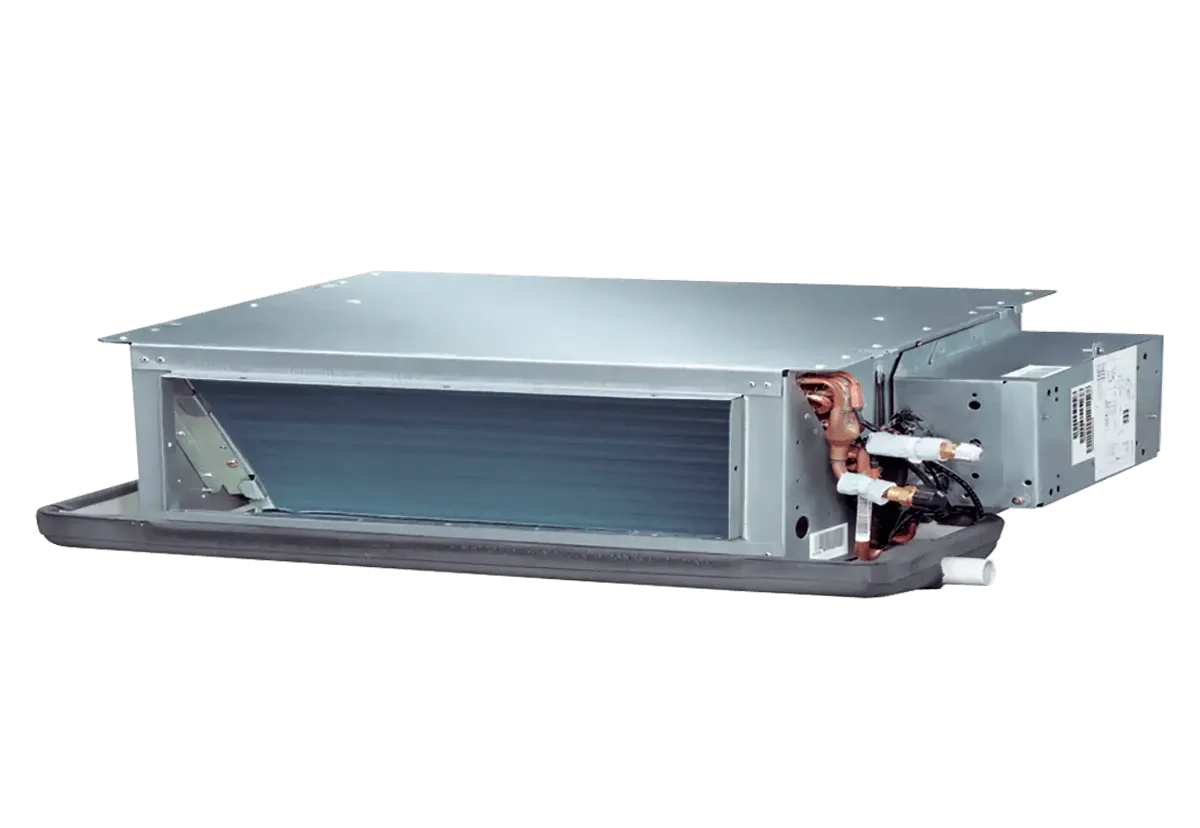
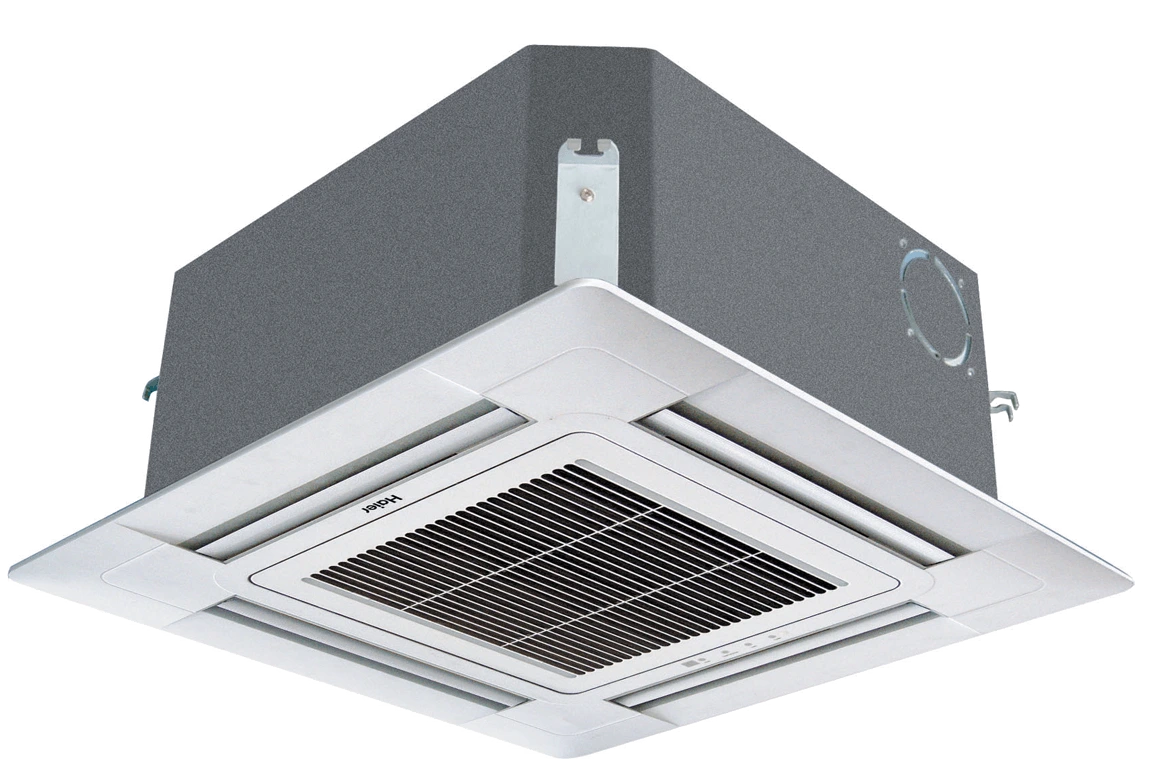
- Multi-split or cassette units: Require advanced installation, longer piping runs, and additional materials.
Product Resource:
- Inverter vs. Non-Inverter Air Conditioners
- Split Unit vs. Multi-Split vs. Cassette Systems
2. Installation Materials: Copper vs. Aluminum Piping
High-quality materials play a critical role in long-term performance and maintenance costs.
Copper Piping
- Pros: Superior durability, excellent heat transfer, less prone to leaks, and long-lasting performance.
- Cons: Higher material cost.
Expert Tip: Always prioritize copper piping. It prevents refrigerant leaks, protects compressor life, and reduces long-term repair expenses.
Aluminum Piping
- Pros: Lower upfront cost.
- Cons: Less durable, more susceptible to corrosion, higher risk of leaks, and a shorter lifespan—leading to higher long-term costs.
Product Resource:
Copper Piping vs. Aluminum Piping
3. Refrigerant Gas Types
The type of refrigerant significantly affects energy efficiency and environmental impact.
- Modern Refrigerants (e.g., R32): More efficient, eco-friendly, and commonly used in newer units.
- Older Types (e.g., R410A): Still effective but less efficient and being phased out in many markets.
Expert Tip: Always confirm the technician uses the correct type and exact quantity of refrigerant. The wrong amount can cause poor cooling and higher electricity bills.
Product Resource:
Refrigerant Gas Types (R32, R410A, etc.)
4. Installation Complexity: Piping Length, Location & Obstacles
Not all installations are equal—certain site conditions naturally increase the cost.
Standard vs. Extra Piping Length
Most installers include a standard length (e.g., 10–15 feet). Beyond this, extra piping and insulation incur additional costs.
Accessibility Challenges
Prices may increase for:
- High-rise units
- Outdoor units installed on narrow ledges
- Locations requiring ladders or scaffolding
- Indoor units placed far from outdoor connection points
Concealed Piping / PVC Trunking
If you prefer hidden piping inside walls or neat trunking for aesthetics, additional labour and materials are required.
5. Additional Services & Components
Extra components may be necessary depending on your installation needs:
- Dismantling & Disposal: Safe removal of old units.
- Outdoor Unit Brackets: Heavy-duty or anti-vibration brackets may add to the cost.
- Electrical Upgrades: High-HP units may require new dedicated wiring lines or upgraded breakers.
- Condensate Pump: Required when natural gravity drainage is not possible.
These items ensure safety, compliance, and long-term performance.
6. Labour Costs & Technician Expertise
Why Expertise Matters
Reliable aircon installation requires technical skills, precision, and professional knowledge. Certified technicians ensure:
- Correct refrigerant handling
- Proper electrical safety
- Accurate mounting and drainage
- Long-term system performance
Cheap labour often indicates inexperience—which leads to costly problems later.
Our Differentiation: Certified & Experienced Technicians
We highlight our team’s certifications and years of hands-on experience to show the true value behind our pricing. Our rates include:
- Skilled, trained technicians
- Proper tools and installation standards
- Quality control checks
- Clean, safe, and compliant workmanship
You’re not just paying for installation—you’re paying for long-term comfort, efficiency, and peace of mind.
Our Aircon Installation Service: The ‘Best’ in Value & Quality
We don’t just install air conditioners—we deliver peace of mind, long-term efficiency, and lasting comfort. Every installation is guided by our commitment to quality, transparency, and customer satisfaction.
Our Commitment to Quality & Customer Satisfaction
Core Philosophy:
We believe the best installation is one that gets it right the first time. By balancing affordability with uncompromising standards, we ensure that your AC performs efficiently, lasts longer, and keeps energy costs low.
Customer-Centric Approach:
From initial consultation to post-installation support, your satisfaction is our top priority. We take the time to understand your needs, explain your options, and guide you toward the solution that offers the best value for your home or business.
Meet Our Certified & Experienced Technicians
Our team is the backbone of our service. Every technician is highly trained, certified, and experienced, ensuring that your AC installation is done safely, efficiently, and according to industry best practices.
Installer Spotlight
- Profiles of Key Technicians: Highlighting individual expertise, areas of specialization, and unique skills.
- Certifications: Including electrical safety, refrigerant handling, and HVAC industry certifications.
- Experience: Years of hands-on experience in residential and commercial installations.
Adherence to Malaysian Industry Best Practices & Safety Standards
We follow strict safety protocols and industry standards to protect your home, your investment, and your family’s well-being.
- Electrical Safety: All wiring and connections comply with Malaysian electrical codes.
- Refrigerant Handling: Proper handling of gases in line with industry regulations to prevent leaks and ensure environmental safety.
- Quality Workmanship: Installation is performed according to manufacturer specifications and established best practices, ensuring optimal performance and longevity of your AC unit.
By combining certified expertise with adherence to recognized standards, we deliver installation services that are safe, reliable, and built to last.
What’s Included in a Standard Installation Package
We believe in transparent, upfront pricing so you know exactly what to expect. Our standard installation package includes all the essentials for a safe, efficient, and high-quality AC setup.
Standard Inclusions
- High-Grade Copper Piping: Standard length included for reliable refrigerant flow and long-term durability.
- Insulated Drainage Pipe: Standard length to ensure proper water flow and prevent leaks.
- Complimentary Outdoor Unit Bracket: Provided if required, ensuring secure and safe mounting.
- Standard Electrical Wiring: Covers necessary connections for your new unit.
- Professional Installation & Commissioning: Carried out by certified and experienced technicians.
- Basic Tidy-Up: After installation, we leave your space clean and ready for use.
Differentiation Opportunity: Our tiered pricing packages clearly outline inclusions, minimizing surprises while allowing you to choose the level of service that fits your needs and budget.
Focus on Energy Efficiency & Long-Term Savings
Proper installation goes beyond simply mounting the unit—it directly affects energy consumption, cooling efficiency, and your monthly bills. Our team ensures that every installation maximizes performance and long-term savings.
Key Energy Efficiency Considerations
- Optimal Unit Placement: Indoor and outdoor units are strategically positioned for maximum airflow, easy maintenance access, and minimal noise.
Expert Tip: Discuss placement options with your installer to ensure comfort and efficiency. - Proper Sizing: We verify that the unit’s BTU/HP matches your room size, preventing overworking or short-cycling, which can waste energy.
- Sealing & Insulation: Every pipe and connection is carefully sealed and insulated to prevent energy loss and maintain consistent cooling.
- Inverter Technology Recommendation: For long-term savings, we often suggest inverter ACs, which adapt compressor speed to maintain the set temperature efficiently, reducing electricity consumption by up to 30–50%.
The Aircon Installation Process: What to Expect Step-by-Step
We believe in full transparency. Our step-by-step installation roadmap is designed to remove any uncertainty, ensure efficiency, and deliver long-term comfort.
1. Initial Consultation & Site Assessment
Expert Tip: Never skip a pre-installation site visit. A professional installer will carefully assess your space before providing a final quote.
Key Steps:
- Understanding Your Needs: Discuss cooling requirements, budget, and personal preferences.
- On-Site Evaluation: Our technicians measure room dimensions, assess electrical capacity, identify ideal unit placement, and note any installation challenges.
- Proper Sizing: Using an “Appropriate BTU/HP Sizing Guide” ensures the unit matches your room’s cooling needs.
This step ensures your AC system is perfectly tailored for optimal performance and energy efficiency.
2. Transparent Quotation & Agreement
Audience Pain Point: Many homeowners face hidden costs due to unclear pricing.
Our Approach:
- Detailed Quotation: Itemized quote specifying all inclusions—piping length, insulation, wiring, brackets, trunking, and disposal of old units.
- No Hidden Fees: Our commitment to upfront, transparent pricing ensures peace of mind.
- Expert Tip: Review the quotation carefully to understand exactly what’s included and what may incur extra costs.
3. Professional Installation Steps
Our certified technicians follow a meticulous process to guarantee a safe, efficient, and long-lasting installation.
Indoor & Outdoor Unit Placement:
- Securely mount the indoor unit, ensuring proper leveling and stability.
- Strategically position the outdoor unit for optimal airflow, easy maintenance access, and minimal noise.
Piping & Wiring:
- Precise bending and connection of high-grade copper piping.
- Secure, code-compliant electrical connections.
- Expert Tip: Ensure proper vacuuming of the system to remove moisture and non-condensable gases (Vacuum Pump required).
- Expert Tip: Verify the correct refrigerant gas type (e.g., R32) is used.
Drainage System Setup:
- Install insulated drainage pipes with the correct slope.
- Expert Tip: Improper drainage can lead to water leaks, mold growth, and property damage. Proper slope is essential for long-term safety.
4. Post-Installation Checks & Handover
- System Commissioning: Test the unit for proper functionality, cooling efficiency, and leaks.
- Client Briefing: Explain unit operation, remote functions, and basic maintenance tips.
- Post-Installation Checklist: Provide a downloadable or interactive checklist so customers can verify installation quality and ensure standards are met.
- Documentation: Deliver warranty cards and necessary service documentation for your records.